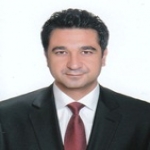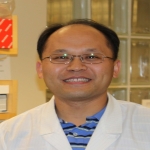
Dr. Tang received his medical degree from Norman Bethune University of Medical Sciences in 2000 and his PhD degree from Central South University in 2007. He is currently an Associate Professor in the Division of Surgical Oncology, Department of Surgery, University of Pittsburgh. Dr. Tang’s major findings on HMGB1 biology have been presented at regional, national, and international meetings and in eight book chapters, as well as in over 100 research and review articles published in high impact factor journals such as Gastroenterology, Nature Immunology, Autophagy, Journal of Cell Biology, Proceedings of the National Academy of Sciences, Nature Communications, Cell Metabolism, Cancer Research, Oncogene, Cell Death & Differentiation, and Clinical Cancer Research.
Regulation and function of Damage-Associated Molecular Pattern Molecules (DAMPs), e.g., high mobility group box 1 (HMGB1) and histone, in cell injury, cell death (e.g., apoptosis, necrosis, necroptosis, proptosis and ferroptosis), adaptation (e.g., autophagy), and their pathophysiological role in cancer (e.g., pancreatic cancer and leukemia) and inflammatory disease (e.g., pancreatitis and sepsis).